How to Calibrate and Maintain Industrial Weighing Scales for Maximum Accuracy
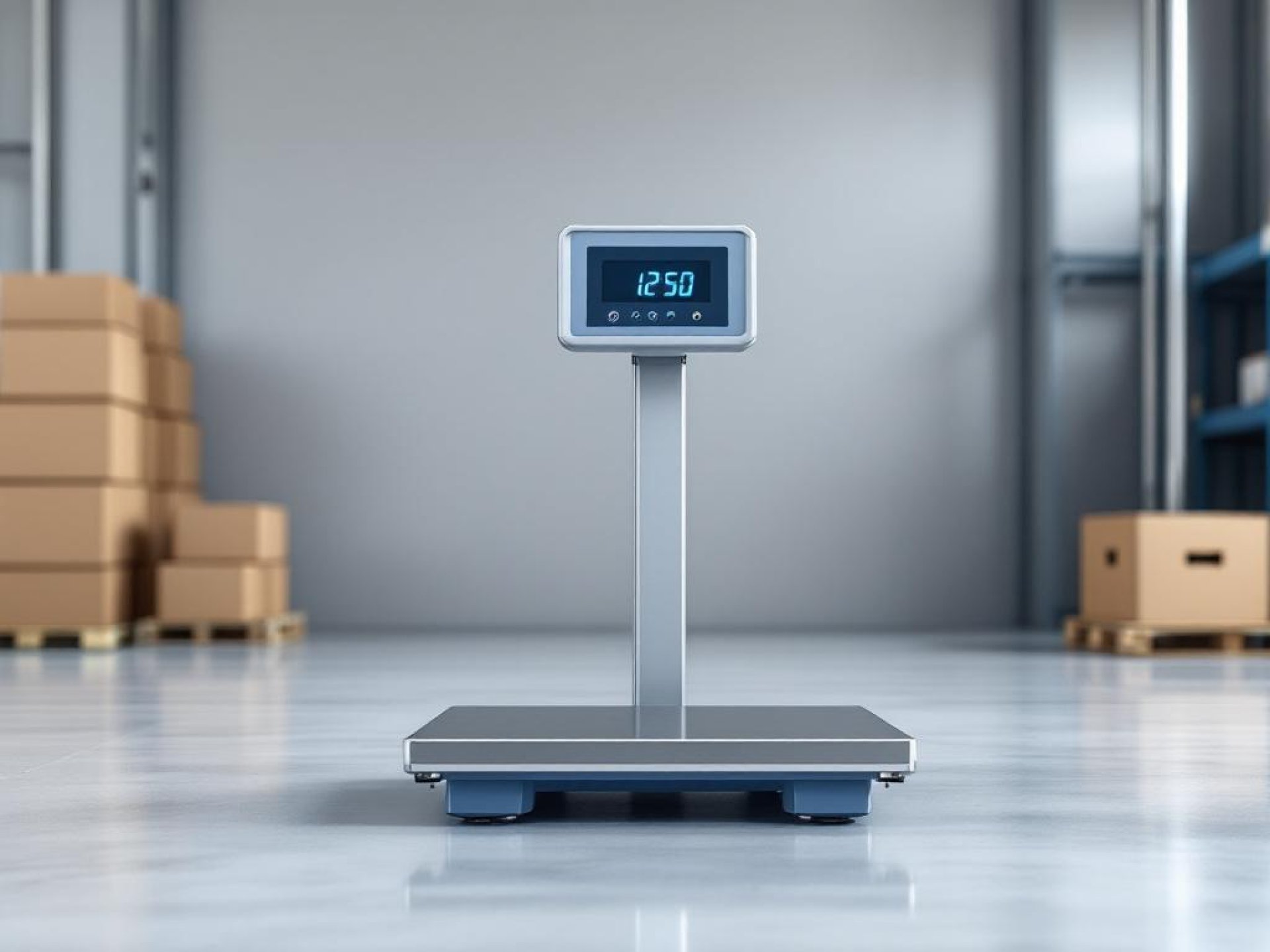
In industries where precision really does impact day-to-day work, even a tiny weighing error can spiral into big losses. Be it manufacturing, logistics, mining, agriculture, or even warehousing, getting the measurements right is essential for keeping product quality steady, meeting compliance rules, and helping the whole operation run better overall. So regular calibration plus maintenance for Industrial Weighing Scales is critical, not optional.
Industrial weighing gear is made to handle tough surroundings, but like any precision instrument, it needs steady care so you get dependable readings every time. When calibration and servicing are done properly, accuracy gets better, equipment lifespan tends to last longer, and unexpected downtime stays lower.
In this guide we walk through why calibration matters, which common factors can mess with scale accuracy, and the best routines for maintaining industrial weighing systems in real use.
Why Do We Need Accurate Industrial Weighing?
Industrial weighing systems are indispensable tools in day-to-day business. They enable companies to keep a check on inventory, figure out the costs of shipping, control the use of raw materials and meet the requirements of the industry.
Inaccurate weighing systems can cause various problems for a business. The most common ones are:
- Variations in product quality
- Inventory mismatch
- Excessive wastage of materials
- Failure to comply with regulations
- Disputes with customers and loss of money
- Lack of efficiency in operations
Doing a periodic check-up on the industrial weighing instruments guarantees that they will serve as a reliable source of measurement, which will lead to maintaining productivity and making profits.
What Does Scale Calibration Mean?
In layman's terms, calibration is a procedure of verifying the output from the scale by comparing it with a standard weight and making the necessary modifications. As time goes by, scales can get out of their original calibrations due to various reasons such as changes in environmental factors, frequent use, physical wear and tear, or even being dropped unintentionally.
It is important to emphasize that calibration is a never-ending process and should be integrated as one of the tasks in a maintenance plan that will guarantee the accuracy of the measurements throughout the lifespan of the equipment.
Indicators That Your Weighing Scale Needs Calibration
Some of the factors you should watch out for that your weight scale may need recalibration for include
- Different results returned when weighing the same item
- High discrepancy between weights measured during separate weighings
- The weighing surface showing signs of damage
- Having errors after moving the scale to a different place
- Not passing equipment checks
- Inventory records showing unexpected changes
Calibration is a must in these situations to ensure uninterrupted operation.
What Things Impact the Reliability of a Weighing Scale?
There are lots of external and internal things that can change how well the industrial weighing system works.
Exterior Elements
In factories, they usually put scales in the worst situations and expose them to the following:
- Dust and dirt
- Water and moisture
- Very hot or cold temperatures
- Shaking caused by the operation of nearby machines
- Wind in case of outdoor installation
Step by step, these things will reduce the capacity of a sensor and the accuracy of a measurement.
Issues Caused by Use
Heavy and constant loading/unloading will make main components such as load cells, platforms, connectors, and support structures get tired. Finally, their inability to perform correctly might cause the measuring to be off.
Power-Related Problems
Electrical interference, variations in power supply, and defective wiring can be the major culprits that make digital weighing systems go wrong. Doing the checks at regular intervals allows the identification of the source of problems and, after that, fixing the condition before the machine is disabled.
Unskilful Use of the Equipment
Damage of internal parts and loss of accuracy could be the result of putting loads that are above the capacity of the scale, throwing down heavily the loads, or not following the instructions of the equipment.
Best Practices for Calibrating Industrial Weighing Scales
Proper calibration requires the use of a logical sequence of steps to produce reliable results.
1. Use Certified Test Weights
Only certified reference weights that have been tested against industry standards should be used for calibration. If you use incorrect or uncalibrated weights, then it is probable that the calibration will be wrong.
Check whether the test weights are:
- Accurately certified
- Without damage and clean
- Compatible with scale capacity range
2. Prepare the Environment
In the case of calibration:
- The scale should be cleaned
- Any dirt on the weighing platform should be removed
- It should be made sure that the scale is perfectly horizontal
- Environmental disturbances and vibration should be reduced
Calibration is much more precise when the environment is stable.
3. Follow Manufacturer Guidelines
Every scale model has its own calibration steps. Adjustments should not be made without first looking at the manufacturer's manual.
Also, a lot of current scales feature a calibration mode that can be activated, which makes the process easy and less dependent on a person.
4. Test Multiple Weight Points
Calibrating a scale with only a single weight value will not be sufficient. Carrying out measurements at various load values will make sure that the accuracy remains unaffected from light to heavy loads.
You could try:
- Quarter of capacity
- Half of capacity
- Three-quarters of capacity
- Equivalent to full capacity
This kind of check guarantees reliable operation regardless of load level.
Routine Maintenance Tips for Industrial Weighing Equipment
Calibration is only part of the picture when it comes to maintenance. A carefully planned preventative maintenance schedule will result in fewer breakdowns, less inconvenience, a reduced cost of spares, and a greater life of the scales.
Keep the Scale Clean
Accumulated dust, dirt, grease, and product residues can throw off weighing measurements.
As a part of cleaning, the scale should be
- Surface of weighing platform
- Load cell
- Junction box
- Display and control panel units
Cleaning procedures stated by the manufacturer should be followed diligently so as not to damage the delicate parts.
Inspect Load Cells Regularly
Load cells play an integral role in weighing systems. The slightest damage to these cells can compromise the accuracy of the readings.
Look out for:
- Wear due to rust
- Fractures
- Hardware that has come loose
- Cabling that has been damaged
- Moisture entry
Addressing signs and symptoms at their initial stage could lead to saving a lot of trouble later on.
Conclusion
Accurate weighing is kinda fundamental to efficient industrial operations. Even small measurement errors can quietly turn into costly issues across inventory management, production processes and logistics activities. Regular calibration along with preventive maintenance helps keep industrial weighing scales functioning reliably even when the conditions are demanding.
If businesses implement structured calibration schedules, do routine inspections, and stick to the manufacturer-recommended maintenance practices, they can boost accuracy while also extending equipment life. Plus, working with a trustworthy Weighbridge Manufacturing Company in India means you get solid-quality equipment and expert support when you actually need it.
For organizations that want dependable weighing solutions and long-term performance, Trakblaze offers advanced weighing systems built for modern industrial requirements. With an emphasis on precision, durability, and day-to-day operational efficiency, Trakblaze helps businesses keep measurements accurate and streamline their weighing workflows for sustained success.
Also Read: How to Choose the Right Weighing Machine Manufacturers for Your Business Needs